
The Different Types of Downlights Explained
Why Choosing the Right Downlight Matters
Downlights are one of the most important and most common elements in any home lighting plan. They help shape how a space looks and functions, playing a big role in how comfortable and practical a room is to live in.
If you're exploring different downlight options, understanding the role each type plays can help you make more confident lighting decisions.
While many downlights may look similar at first glance, each one is suited to a different lighting outcome. Some provide broad, even illumination throughout a room, while others help reduce glare, highlight features or create softer layers of ambient light.
Understanding the difference can help you make more confident lighting decisions and create spaces that feel comfortable, functional and well suited to the way you live. Whether you're building a new home, renovating a bathroom or refreshing a living space, choosing the right downlights can have a significant impact on the final result.
Adjustable Downlights: For When Light Needs to Work Harder
Sometimes, general lighting alone isn't enough to light a space the way you want it to, unfortunately light doesn't always fall exactly where you need it, whether that's across a kitchen bench, a bathroom vanity or a feature wall.
This is where an adjustable downlight can make a noticeable difference.
Unlike a fixed downlight that points straight down, an adjustable downlight allows you to angle the beam of light exactly where it's needed. That flexibility gives you far more control over how a space is lit and is one of the main reasons homeowners choose adjustable downlights.
By directing light towards specific areas, adjustable downlights can help reduce shadows, improve visibility and highlight the features that make a space feel unique. They also help create a more layered lighting effect, making a space feel more dynamic than relying on general lighting alone.
Where Adjustable Downlights Work Best
Artwork and feature walls
Rather than directing light onto the floor, adjustable downlights can be angled towards artwork, textured walls or decorative features such as stone or timber panelling. By directing light onto these surfaces, you can add depth and help showcase the texture, materiality and design details that make them a feature in the first place.
Kitchen benchtops and workspaces
A fixed downlight can sometimes sit behind you and cast shadows across your work surface. By angling the light forward onto the benchtop, adjustable downlights improve visibility and make everyday tasks such as cooking, food preparation or working from home more comfortable.
Built-in shelving and architectural features
Built-in shelving, wardrobes and fireplaces are often design features worth highlighting. Adjustable downlights allow you to direct light onto these elements, creating contrast and depth rather than a flat, evenly lit space.
High ceilings and bathroom vanities
In rooms where standard lighting placement doesn't quite work, adjustable fittings offer greater flexibility. They can be angled towards bathroom mirrors to help reduce shadows across the face or directed towards key areas in rooms with higher ceilings.
Whether you're highlighting artwork, improving task lighting or drawing attention to architectural details, adjustable downlights offer a practical way to direct light exactly where it's needed.
Anti Glare Downlights: For a Softer, More Comfortable Space
Lighting should help a room feel comfortable to spend time in, not become something you notice every time you enter the room or look towards the ceiling.
While standard downlights are effective for general lighting, they can sometimes create bright spots that feel more noticeable in spaces designed for relaxing. This is where anti glare downlights can make a difference.
Unlike a standard fitting, the LED light source sits deeper within the downlight, recessed further back into the fixture. This helps shield the direct light source from view and significantly reduces glare, creating a softer and more comfortable lighting experience.
Light is directed where it's needed without the harsh brightness often associated with traditional downlights. The recessed design also creates a subtle architectural look within the ceiling, making these fittings a popular choice in contemporary homes.
Where Anti Glare Downlights Work Best
Living rooms
In spaces where family and guests spend time relaxing, anti glare downlights help reduce the bright spot effect that can occur when looking towards the ceiling. This creates a more comfortable environment for entertaining, reading or watching television.
Bedrooms
When you're lying in bed, standard downlights can sometimes feel overly bright. Because the light source sits deeper within the fitting, anti glare downlights help create a softer atmosphere that feels calm and relaxing.
Open plan living
In larger spaces with multiple downlights, glare can become more noticeable. Recessed anti glare fittings help deliver comfortable, even coverage while maintaining a clean and refined appearance.
For homeowners looking to create a softer lighting experience, anti glare downlights offer a practical way to improve visual comfort while maintaining a clean architectural look.
Pinhole Downlights: Creating Atmosphere Through Layered Lighting
One of the easiest ways to elevate a lighting plan is through layering.
Rather than relying on a single light source to do everything, layered lighting combines different types of illumination to create depth, atmosphere and flexibility throughout a space. This is where pinhole downlights come in.
Pinhole downlights are designed to add a softer layer of light within a room. Rather than flooding a space with illumination, they create smaller pockets of light that help highlight specific areas and contribute to the overall mood of a room.
They are typically used alongside other downlights rather than as the primary source of light. While classic diffused downlights provide general illumination and adjustable downlights help direct light where it's needed, pinhole downlights help create the layered lighting effect often seen in professionally designed homes.
Their recessed design and narrow beam angle allow them to focus light more precisely, helping create visual interest without overwhelming the space.
Where Pinhole Downlights Work Best
Niches, alcoves and bulkheads
Pinhole downlights are ideal for highlighting architectural details and styled spaces. Their focused beam helps draw attention to shelving, artwork and decorative features while maintaining a soft overall feel.
Bathrooms and ensuites
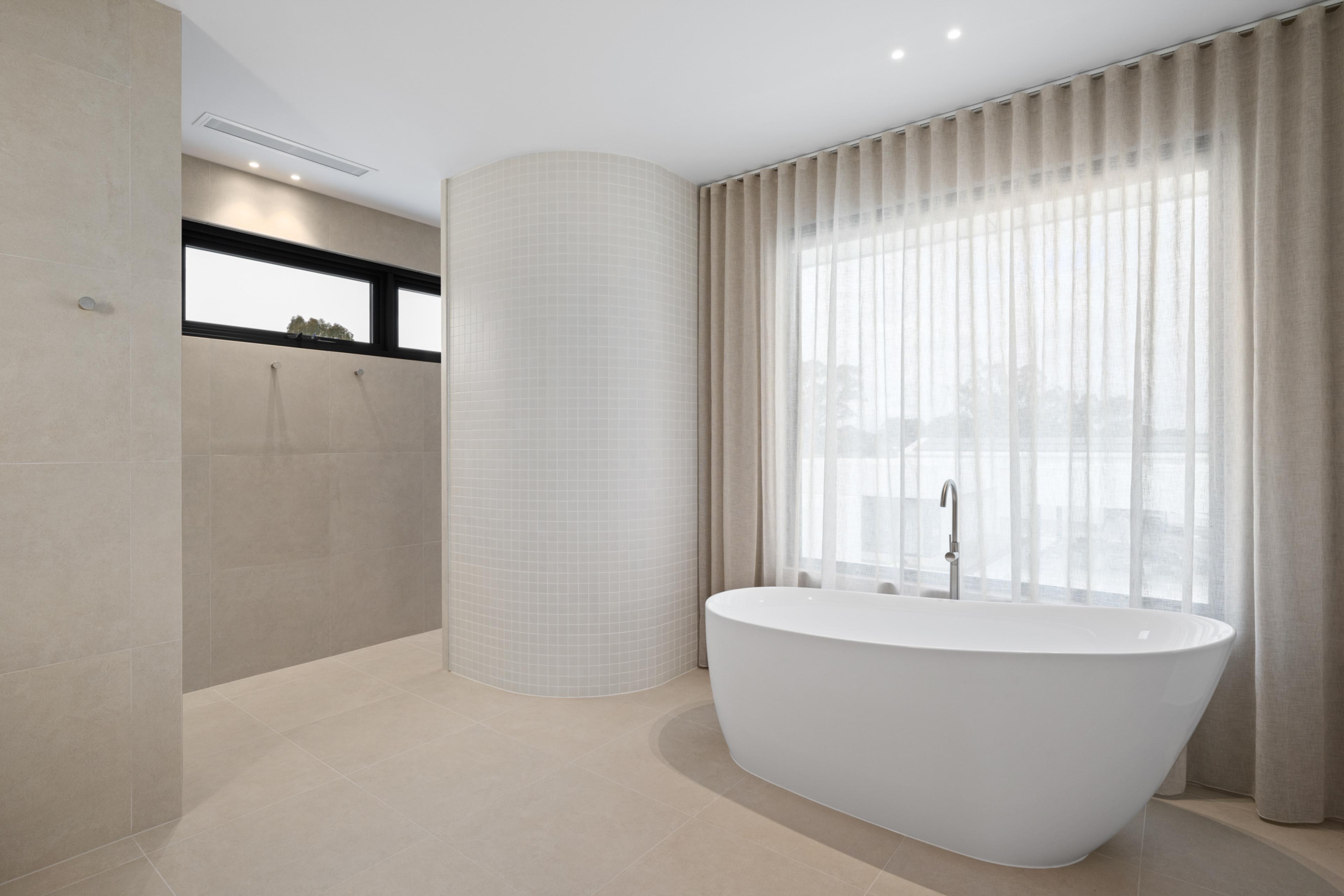
Installed above a bath or within a shower area, pinhole downlights create a softer layer of light that helps the space feel more relaxed and inviting.
Hallways and entryways
Rather than flooding the area with light, pinhole fittings create gentle pools of illumination that guide movement through the space while maintaining a clean ceiling appearance.
Living rooms and bedrooms
Used alongside general lighting, pinhole downlights add depth and atmosphere by highlighting specific areas within the room.
Used thoughtfully, pinhole downlights can add depth and atmosphere that helps a space feel warmer, more inviting and visually interesting.
Classic Diffused Downlights: The Foundation of Every Lighting Plan
While adjustable, anti glare and pinhole downlights each serve a specific purpose, classic diffused downlights are often the foundation of a lighting plan.
Designed with a wide beam angle, they disperse light evenly across a room to create a soft, balanced glow. This helps achieve consistent, all over illumination without harsh shadows or overly focused areas. In many homes, these are the downlights used most often throughout everyday life.
They're the fittings that provide the everyday lighting needed to move comfortably through a space, whether you're preparing dinner, helping the kids with homework or simply relaxing at home.
Because they provide broad, even coverage, classic diffused downlights work well across almost every room in the home, from kitchens and living rooms through to hallways, bedrooms and open plan spaces. Their versatility is what makes them such a popular choice. They create the foundation layer of light that allows a space to feel bright, functional and easy to move through day to day.
Once that foundation is in place, other downlight styles can be introduced to add depth, improve comfort or highlight specific features. This combination is what helps create a more layered and balanced lighting plan throughout the home.
Why Layered Lighting Delivers Better Results
One of the biggest advantages of understanding the different types of downlights is the ability to create a layered lighting plan. Rather than relying on a single fitting to do everything, layered lighting combines different types of illumination to support the way a space is used throughout the day.
A classic diffused downlight may provide general illumination throughout a room. An adjustable downlight can improve visibility over a kitchen bench. An anti glare fitting can make a bedroom feel softer and more relaxing, while a pinhole downlight can introduce atmosphere in a hallway, bathroom or living area.
When these layers work together, the result is a home that feels balanced and adaptable to different activities throughout the day. It's often the difference between a space that simply feels well lit and one that feels thoughtfully designed.

Layla is a creative at heart, with an Advanced Diploma in Interior Design and being the Senior Marketing and Ecommerce Coordinator here at Yabby she has a passion for staying up to date with the latest trends within the industry. Known for going down a rabbit hole on Pinterest and being a sucker for a good mood board to kick off any project.