Bedroom Lighting Ideas for an Inviting Space
The best bedroom lighting ideas bring together soft, warm and dimmable light from a few different sources, rather than relying on one bright ceiling light.
Think about how you use your bedroom throughout the day. You need enough light to see what's in your wardrobe, good lighting around your mirror when you're getting ready, then something softer when you're winding down for the evening.
A bedside lamp glowing at night, a wall light highlighting your favourite artwork or a pendant adding a little personality beside the bed. These smaller details can make a big difference to how your bedroom looks and feels.
And you don't need a large bedroom or an elaborate lighting plan to get it right. It's about choosing lighting that works for the way you use your space.
Different Types of Bedroom Lighting
Before choosing your lights, it helps to understand the different types of lighting and what each one does.
Your bedroom needs to work for everything from getting ready in the morning to settling in for the night. Having a mix of lighting means you can get the brightness you need without making the whole room feel too bright.
General Lighting
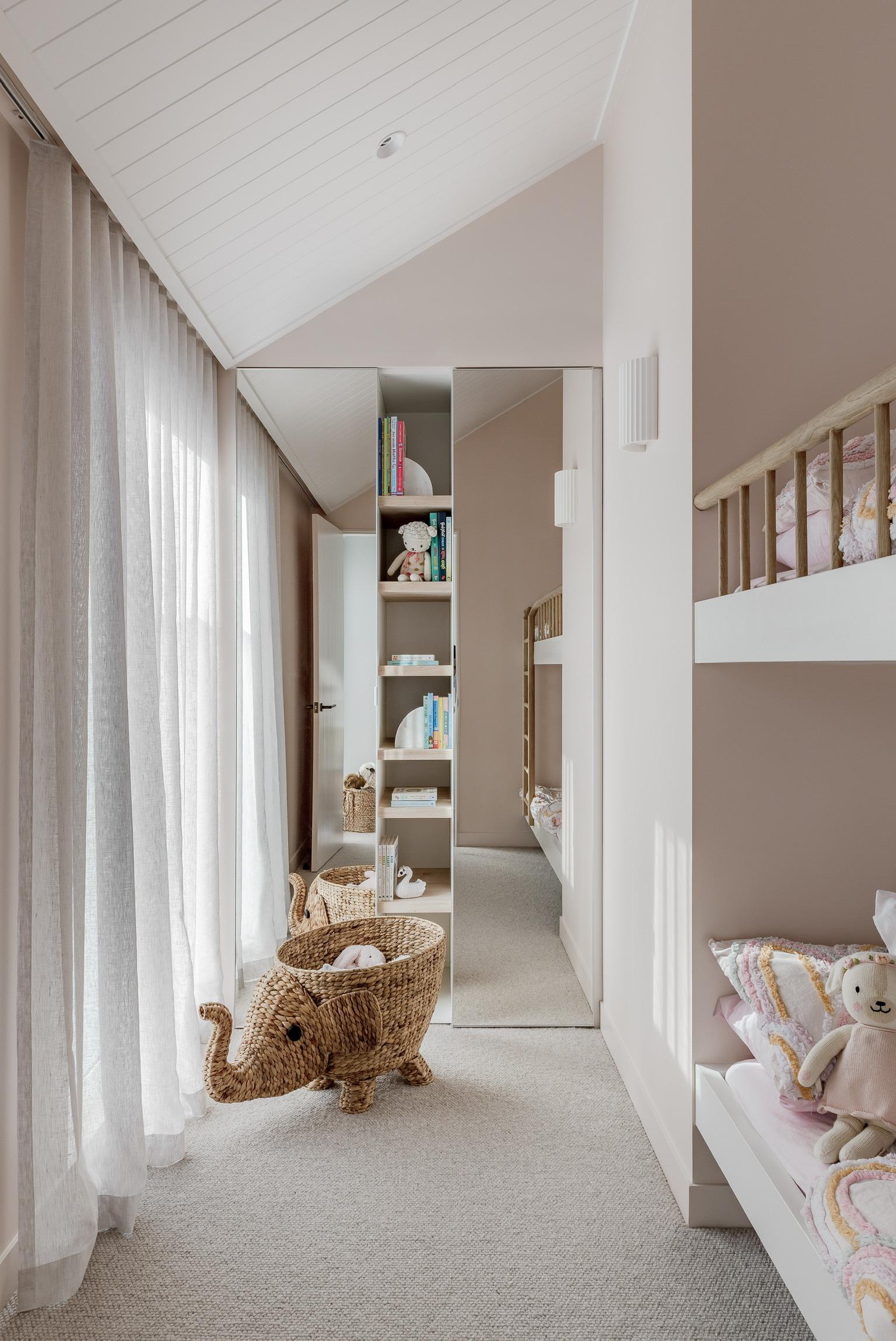
General lighting is the main light that brightens the whole bedroom. It's what you switch on when you're getting dressed, changing the sheets or looking for something you've misplaced. Usually this comes from ceiling lights, downlights or a central pendant.
The size of your bedroom and ceiling height will help you work out what suits your space. You want enough light to move around comfortably, but that doesn't mean filling the ceiling with downlights.
Dimmable lights are worth thinking about too. They give you the option to turn down the brightness in the evening when you don't need the whole room lit up.
Task Lighting
Task lighting gives you extra light in the places where you need to see clearly.
A directional wall light beside the bed, good lighting around your dressing mirror or a downlight positioned near your wardrobe can all make everyday tasks easier.
The idea is to put light where you'll actually use it, rather than making the whole bedroom brighter.

Ambient Lighting
Ambient lighting is the softer, background light that makes a bedroom feel comfortable and inviting.
Think about coming into your bedroom after a long day, switching off the brighter ceiling lights and leaving a warm lamp on beside the bed. It can make the room feel completely different.
Table lamps, wall lights and dimmable lights can all help create this softer lighting. You don't need to light up the entire room, either. Keeping some areas darker can help make your bedroom feel more relaxed.
Accent Lighting
Accent lighting is all about drawing attention to the things you love in your bedroom. Maybe you've got a favourite piece of artwork above your dresser, a textured wall behind the bed or beautiful timber joinery that you'd like to highlight.
A well-positioned wall light or adjustable light can bring those details to life at night, rather than having them disappear once the sun goes down. You don't necessarily need more light. It's more about choosing where you want it to fall.
Decorative Lighting
Some lights do more than brighten a room. They're also part of how you style it.
A sculptural table lamp on a dresser, a pair of pendants beside the bed or a feature ceiling light can add colour, shape and personality.
Think about how the light looks when it's switched off as well as when it's on. You might love the shape of a pendant during the day, but you'll also want to make sure it gives you the right amount of light at night.
Bedside Lighting Ideas for Your Bedroom
Your bedside lighting is probably some of the lighting you'll use most in the bedroom. It's what you reach for when you're getting into bed, setting your alarm or finding your phone on the bedside table. A few practical decisions about where your lights go and how you switch them on can make this part of the room much easier to use.
Mount Wall Lights Beside the Bed
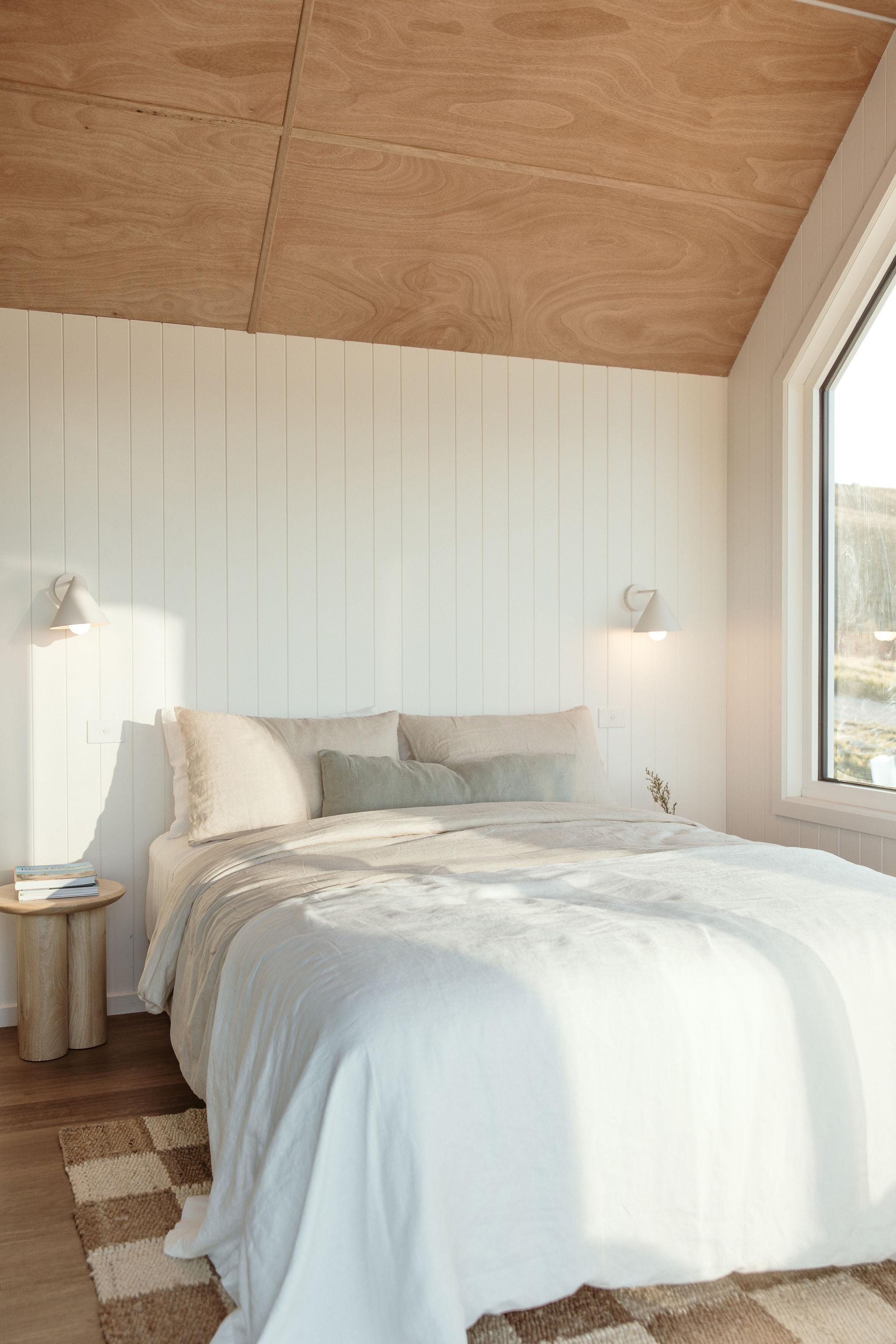
If you're short on bedside table space, wall lights are a great way to free up some room without losing the light you need.
A pair of modern wall lights can sit either side of the bed, framing the bedhead and giving each person their own light. If you like reading before bed, look for a light that directs the beam towards your book rather than straight into your eyes.
Just above shoulder height when you're sitting up in bed is a good starting point, but don't rely on a measurement alone. Sit in bed, lean against your pillows and check where the light will fall. Your bedhead height, mattress and the style of the light will all make a difference.
Hang Pendants Low Beside the Bed
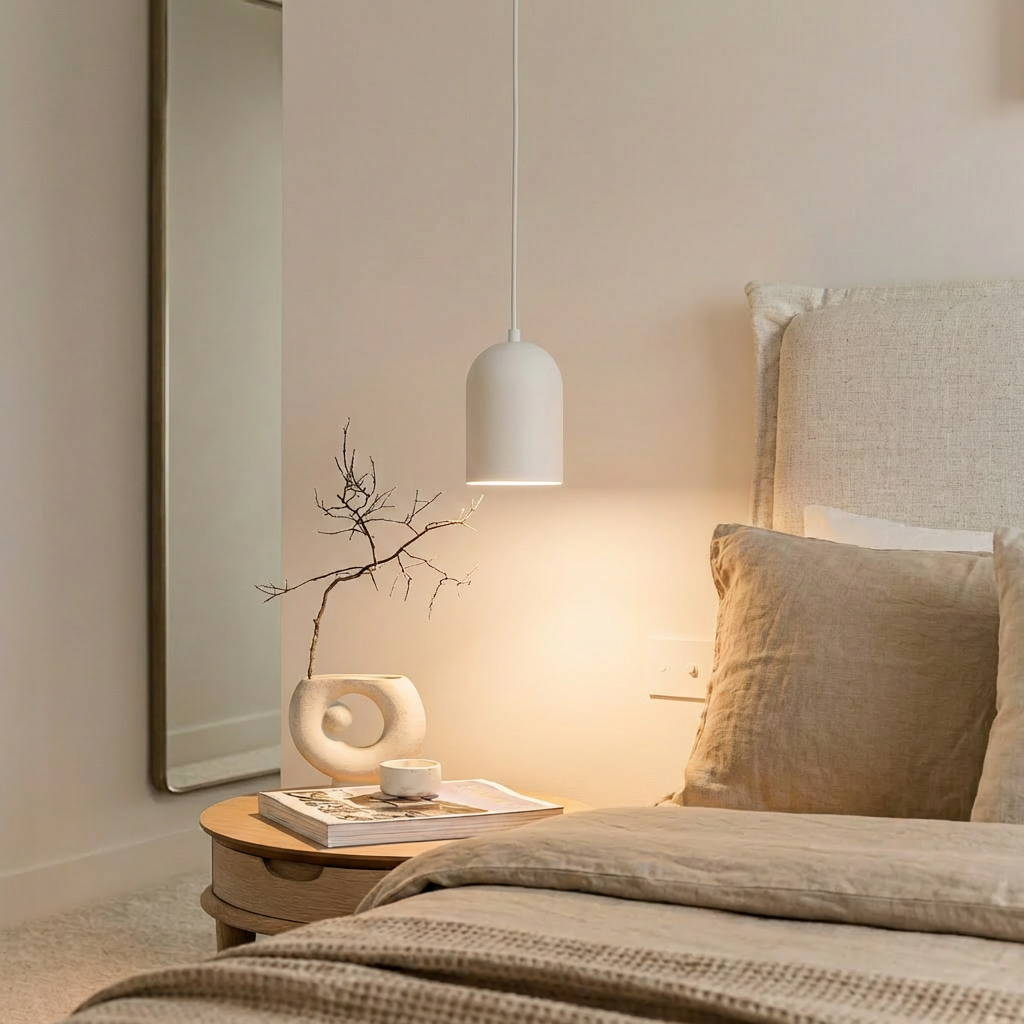
Bedside pendants are another way to free up your bedside tables, especially if you'd rather leave room for a book, glass of water or your morning coffee.
They also bring something a little different to the room. A pair of pendants can frame the bed, while their shape and material add personality even when they're switched off.
When choosing modern pendant & hanging lights, think about the size of your bedside tables, bedhead and ceiling height before deciding how low they should hang. You want the light close enough to be useful, but not so low that you're bumping into it or looking directly at the globe when you sit up.
Your electrician can help you work out the right height and position before installation.
Switch Each Bedside Light Separately
If you share your bedroom, having separate switches for each bedside light is a small detail that makes a big difference. You can switch on your side of the bed without lighting up the whole room, and dimmers give you even more control over the brightness.
It's worth planning this early, especially if you're installing wall lights or pendants that need to be wired in.
Bedroom Lamp Ideas for Corners and Dressers
Not every bedroom light needs to be fixed to the ceiling or wall. Lamps are an easy way to bring softer lighting into the room, especially in those spots that feel a little dark or unfinished once the sun goes down.
Place a Floor Lamp in a Corner
Most bedrooms have a corner that doesn't get much attention. Maybe there's an armchair you love sitting in, a little space beside the wardrobe or an empty corner that could use some extra light.
A floor lamp can make that part of the room feel more inviting without needing another ceiling light. If you've got a chair where you like to sit with a morning coffee or take a few minutes to yourself, placing a lamp beside it can make that spot much nicer to use. And because floor lamps can be moved, you can change their position whenever you rearrange your furniture.
Place a Table Lamp on the Dresser
A table lamp doesn't have to live beside the bed.
Try placing one on a dresser, chest of drawers or side table. It brings light to another part of the room and gives you something softer to switch on when you don't need the ceiling light. Picture getting ready for bed with a warm lamp glowing across the dresser instead of the whole bedroom being brightly lit.
A table lamp is also an easy addition if you want more lighting options without changing your existing electrical layout.
Keep Both Lamps to One Finish
Your lamps don't need to match exactly, but repeating a finish or material can help them work together.
You might choose a matte black floor lamp and carry the same finish through to a smaller table lamp. Or use a natural material like rattan in both. It's an easy way to connect the lighting around your bedroom without making every light look identical.
This works especially well when you're mixing decorative lamps with more practical bedside or ceiling lights.
Bedroom Wardrobe and Dressing Area Lighting Ideas
Bedroom lighting isn't just about creating a softer feel in the evening. You also need enough light to see what you're doing when you're getting dressed, finding clothes or checking your outfit before heading out.
And these are often the areas that get overlooked when planning bedroom lighting.
Place a Downlight Just in Front of the Wardrobe
Ever opened your wardrobe and found yourself standing in the way of the light?
If a downlight is positioned directly behind you, your body can cast a shadow across the shelves and hanging space. Placing the light slightly in front of the wardrobe can help direct light into the storage area instead.
Think about the depth of your wardrobe, the type of doors and where you'll naturally stand when using it. Your electrician can help you work out the position and beam angle so the light reaches where you need it.
Mount a Wall Light Beside the Dressing Mirror
If you use a mirror in your bedroom to get ready, think about how the light reaches your face. A ceiling light behind you can create shadows, making it harder to see clearly when you're doing your makeup, styling your hair or checking your outfit.
A wall light beside the mirror can give you more even lighting at face level. And if you've got room for two, placing one on either side can help reduce shadows even further.
It's worth planning this around where your mirror will go, rather than choosing the lighting first and trying to make it work afterwards.
Modern Bedroom Ceiling Lighting Ideas
Ceiling lighting still has an important job in the bedroom, but it doesn't need to do everything. The right light should give you enough brightness when you need it, while working alongside your bedside lights and lamps for a softer feel later in the day.
Keep Ceiling Light Soft and Dimmable
Your bedroom probably doesn't need the same level of ceiling lighting as your kitchen or laundry.
You want enough light for getting dressed and moving around, but you also want to be able to turn it down when you're winding down. Dimmable modern ceiling lights give you more control over how bright the room is throughout the day.
Look for lights that reduce glare, especially if they're positioned above or near the bed. The last thing you want when you're lying down is a bright light shining straight into your eyes.
Warm white lighting around 2700K to 3000K is also a good starting point for bedrooms, particularly if you prefer a softer light in the evening. Just make sure your light, globe, dimmer and controls are compatible before installation.
Use Flush Mount Lighting for Low Ceilings
Not every bedroom has the ceiling height for a hanging pendant, but there are plenty of other options.
Flush-mount ceiling lights sit close to the ceiling, making them a practical choice for bedrooms with lower ceilings. They give you the general light you need without taking up too much space overhead. When choosing modern ceiling lights, look for low-profile designs that suit your room's ceiling height and provide enough light for the space. Dimmable options are worth considering too, so you can adjust the brightness throughout the day.
Hang a Central Pendant for a Soft Focal Point
If you've got a little more ceiling height to work with, a pendant can add shape and personality to the bedroom. Think about a pendant with a softly diffused glow hanging in the centre of the room, or one positioned towards the foot of the bed. It doesn't need to be oversized to make a difference.
Consider how the pendant looks from the doorway and when you're lying in bed. A shade that softens the light can make the room much more comfortable at night.
You'll also want to check the height and position with your electrician so there's enough clearance and the light doesn't get in the way.
Frequently Asked Questions
What Lighting Is Best for a Bedroom?
Soft, warm and dimmable lighting from a few different sources works best for most bedrooms.
A ceiling light can give you the brightness you need, while bedside wall lights or lamps provide more focused light. Adding a table lamp or floor lamp somewhere else in the room gives you a softer option for the evening.
The best bedroom lighting ideas let you choose how much light you need rather than having to switch everything on at once.
How Do You Light a Bedroom Without a Ceiling Light?
You can light a bedroom without a ceiling light by using a mix of floor lamps, table lamps and bedside lighting.
A pair of bedside wall lights can give you focused light around the bed, while a floor lamp or table lamp adds brightness to another part of the room.
Try spreading the lighting across different areas rather than relying on one lamp to light the whole bedroom.
If you're planning new hardwired wall lights, have a licensed electrician check the installation requirements.
How High Should Bedside Wall Lights Be?
Just above shoulder height when you're sitting up in bed is a good starting point for bedside wall lights.
This helps direct the light towards your book or bedside area rather than into your eyes.
Your mattress height, bedhead, pillows and the type of wall light will all affect the final position, so it's worth sitting in bed and checking the placement before installation.
Bringing Your Bedroom Lighting Together
Good bedroom lighting comes down to thinking about how you use the space before deciding on the lights.
Start with the general light you need around the room, then think about the places that need a little extra attention. Your bedside tables, wardrobe, dressing mirror and even that empty corner can all benefit from their own source of light.
From there, you can start bringing together wall lights, pendants and lamps that work with your layout and the overall look you're going for.
And if you're not sure where to start, our team can help you work through your lighting plan in a free design appointment.

Layla is a creative at heart, with an Advanced Diploma in Interior Design and being the Senior Marketing and Ecommerce Coordinator here at Yabby she has a passion for staying up to date with the latest trends within the industry. Known for going down a rabbit hole on Pinterest and being a sucker for a good mood board to kick off any project.