
Modern Living Room Lighting Ideas
The best modern living room lighting ideas use a mix of ceiling, focused and ambient lighting rather than relying on one fitting to do everything.
Think about how you use your living room throughout the day. You might need brighter light while everyone’s home and the room is busy, a lamp beside the sofa when you curl up with a book, then softer light that catches stone, artwork or joinery once the sun goes down.
Layering different types of lighting helps the room naturally shift with you. It can be bright and practical when you need it, then softer and more relaxed when it’s time to switch off for the evening.
How to Layer Modern Living Room Lighting
A layered lighting plan combines different types of light throughout the room, with each one doing a different job.
Start with the light you need across the room, then add more focused lighting around the places where you read or relax. From there, think about the walls, artwork and architectural features you’d like to highlight.
The result is a living room that can change throughout the day, rather than feeling like it’s either fully lit or completely dark.
Start with a Ceiling Light
Ceiling lighting provides the general light you need across the living room and gives you a practical starting point for the rest of the scheme.
It’s the light you might switch on when you’re tidying up, looking for something under the sofa or have a room full of people over. But it doesn’t need to be the light you rely on for every moment spent in the room.
Your room size and ceiling height will help determine what works here. A smaller room with a standard ceiling will have different requirements to a large living area with a raked or cathedral ceiling, where the light has further to travel.
Rather than filling the ceiling with fittings, think about how much general light the room actually needs and where it needs to reach. The right modern ceiling lights can provide this base layer, while the rest of your lighting takes care of the moments that need something softer or more focused.
Add Focused Light for Reading and Everyday Jobs
Now think about the places where you naturally spend time.
Maybe there’s one end of the sofa where you always sit, an armchair you curl up in with a book or a corner where someone regularly works on their laptop.
A floor lamp beside that spot puts light where you need it without making the whole room brighter. A wall light can work in a similar way over a reading chair or another area where you need more focused light.
It’s a simple addition, but it can make that part of the room much nicer to use and means you’re not reaching for the main ceiling light every time you need a little extra brightness.
Add Ambient Light for Extra Depth
Once the practical lighting is sorted, ambient lighting can help soften the room in the evening.
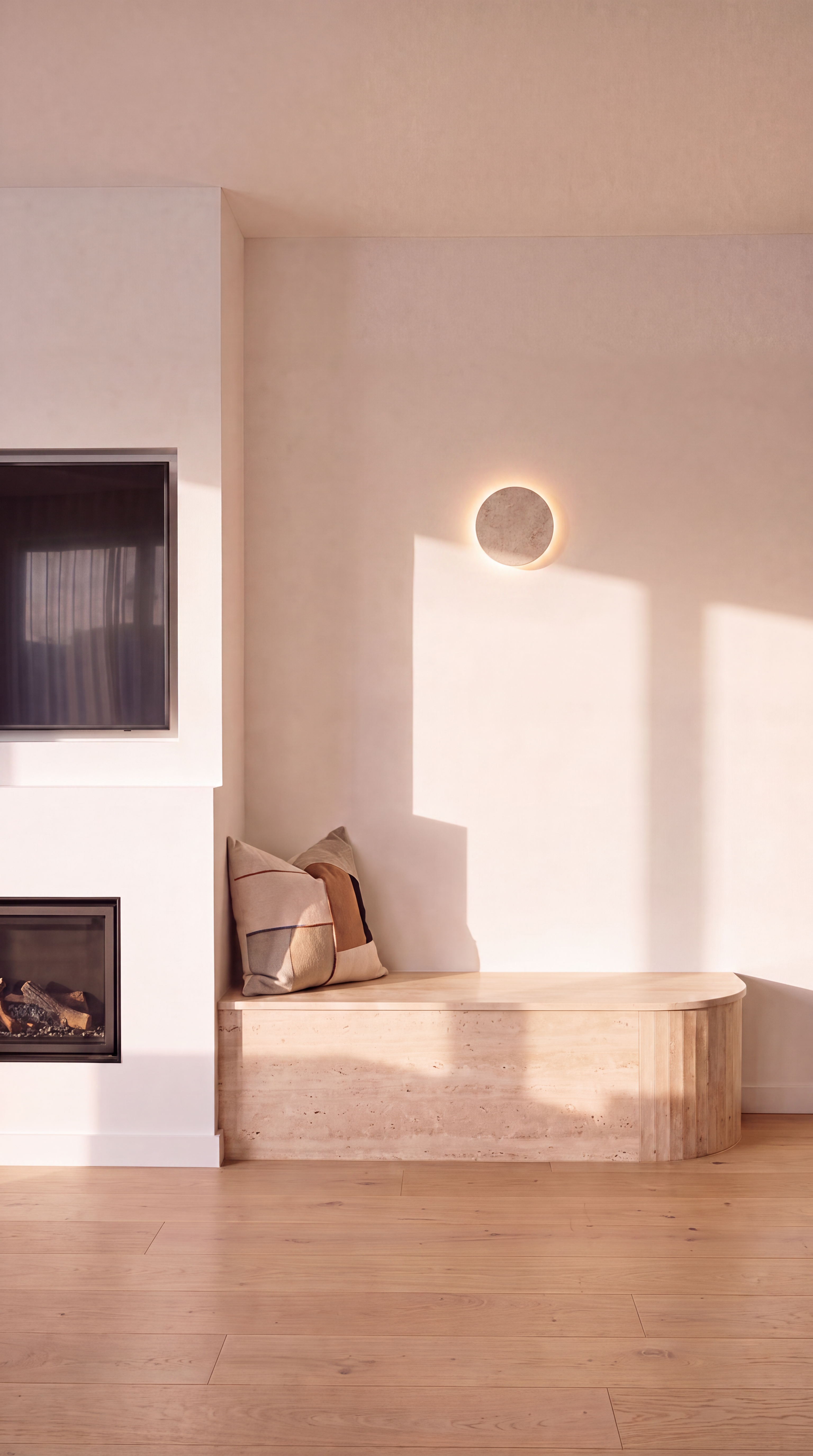
Think about the difference between walking into a room with every ceiling light switched on and one where there’s a warm glow across a stone wall, artwork is softly lit and a lamp is on beside the sofa.
Our modern wall lights work well when you want to wash light across a wall, textured stone or timber, while angled track lights can direct light towards artwork, shelving or joinery.
Instead of directing every light towards the floor, bringing light onto the surfaces around you creates more depth and gives you something softer to switch on once the brighter lights aren’t needed.
Ambient lighting is essentially the background layer that helps set the overall mood and brightness of the room, working alongside more focused task and accent lighting.
Modern Living Room Lighting Ideas to Try
Once you understand the different layers your room needs, you can start deciding which lighting ideas for living room spaces make sense for the way you live.
Look at the spots you naturally gravitate towards, where friends and family tend to gather and the features you already love in the room. Your furniture placement, ceiling height and layout can then help you decide which fittings belong where.
Make a Pendant the Focal Point
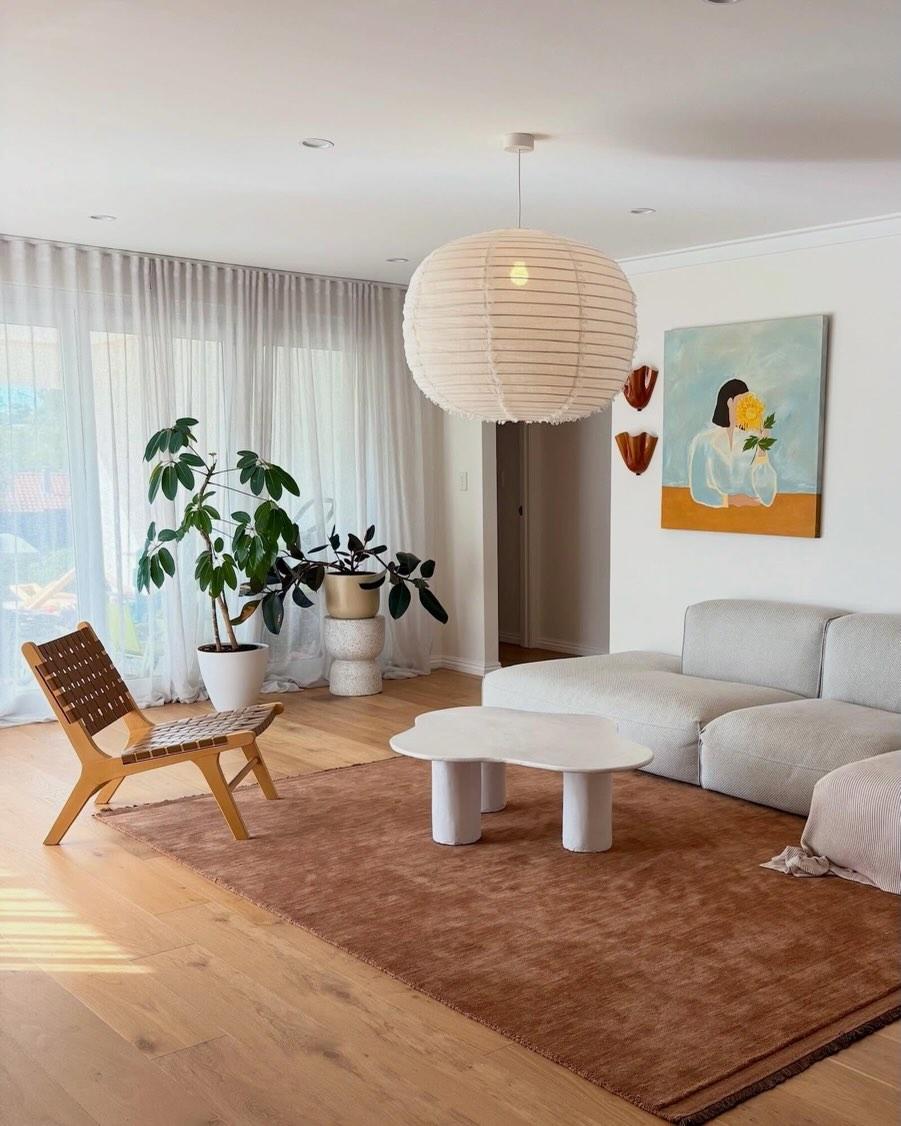
A pendant can anchor a living area and give the room a natural focal point, particularly when you have the ceiling height and scale to support it.
It can work especially well in a larger or open plan space where the living area needs a little more definition. Instead of the sofa floating within one big room, a pendant overhead can help visually mark out the place where everyone gathers.
Look at the lighting around it too. If the kitchen or dining area already has a strong feature fitting, you may want to keep the living room pendant simpler so you’re not asking every light to compete for attention.
When choosing from modern pendant & hanging lights, consider the size of the fitting, your ceiling height and what will sit underneath it.
Frame the Sofa or Artwork with Wall Lights
There’s often a wall in the living room that looks great during the day, then almost disappears once the sun goes down.
A pair of modern wall lights either side of a sofa or favourite artwork can change that. They frame the area, bring light onto the wall and give you a softer source of light at eye level when you don’t want the main lights on.
Before deciding on their position, think about what will sit there long term. Is there artwork planned? Will there be a console or sofa underneath? Could the furniture layout change later?
Getting the position right early means the lighting works with the things you already enjoy about the room, rather than simply filling an empty spot on the wall.
Add a Floor Lamp to a Reading Corner
Think about the spot you naturally end up in at the end of the day. Maybe it’s an armchair by the window or your favourite end of the sofa where you curl up with a book.
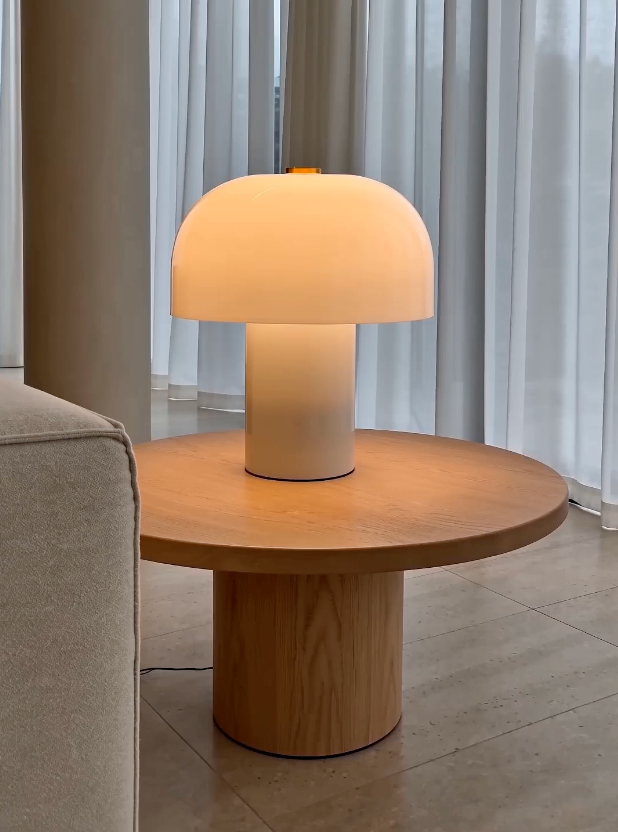
Adding a floor lamp here gives you light right where you need it without having to turn on the whole room. It also creates that softer pool of light that makes a reading corner feel like somewhere you actually want to settle into for the evening.
And because a floor lamp isn’t fixed, you can move it around as your furniture changes.
You can use the same idea around sofas, side tables or other corners of the living room that could use a little more light.
Use Track Lights to Highlight a Gallery Wall
If you’ve spent time putting together a gallery wall or styling shelves with pieces you love, you should still be able to enjoy them at night.
Track lights let you angle individual heads towards framed artwork, shelving or objects on display so those details don’t disappear once the room gets darker.
They’re also easy to redirect. If you swap out your artwork, rearrange the shelves or decide the room needs a change, you can adjust where the light lands without starting again.
For sitting room lighting ideas where artwork, books and styling are a big part of the space, that flexibility can make the lighting work much harder.
Use Dimmable Downlights for Movie Nights
There are times when you want the living room bright. Friends are over, everyone’s moving between rooms or you’re cleaning up after dinner.
Then there are the nights when the TV goes on, you’re settling into the sofa and that same level of brightness is the last thing you want.
Dimmable downlights let the room do both. You can have practical general light when you need it, then lower it for a movie without leaving the room completely dark.
The key is not treating the ceiling like a grid that needs to be filled. Room size, ceiling height, beam angle and output will all affect how many downlights you need and where they should be positioned.
Downlights don’t need to be your only option overhead either. A pendant or other ceiling fitting can add another layer while giving the room a different type of light from above.
Carry One Finish Across the Fittings
Your lighting doesn’t need to match exactly.
In fact, a living room can feel much more natural when the fittings aren’t all from the same range, but there’s still something connecting them.
You might repeat matte black across a pendant and wall lights, or bring a material such as rattan or travertine into more than one fitting. It’s enough to create a connection without making everything look overly matched.
This can be particularly useful in open plan homes. The kitchen, dining and living areas can each have lighting that suits how you use the space, while a repeated finish helps them sit comfortably together.
Warm Lighting Ideas for Lounge Room Evenings
The way you use your living room at two in the afternoon can be completely different from eight at night.
During the day it might be one of the busiest rooms in the house. Later, dinner is done, the brighter lights go off and you’re settling onto the sofa for the night.
Warm white light around 2700K to 3000K is a good starting point for lounge room lighting ideas because it gives you a softer light for those slower parts of the day.
Dimmers make that transition even easier. You can keep the room bright while everyone’s around, then gradually lower the light rather than suddenly switching from bright ceiling lights to darkness.
This is also where lamps and wall lights come into their own. Leaving a lamp on beside the sofa or a pair of wall lights glowing in the background can make the whole room feel more inviting without needing every fitting switched on.
Frequently Asked Questions
What Lighting Is Best for a Living Room?
A layered mix of ambient, task and accent lighting works best in most living rooms.
Ceiling lights give you the general brightness you need when the room is busy. Floor lamps and wall lights bring more focused light to the places where you read or relax, while accent lighting can draw attention to artwork, joinery, stone or other features you want to enjoy after dark.
The best modern living room lighting ideas bring those layers together so you can change the lighting depending on what you’re doing, rather than having one setting for the whole room.
How Many Lights Should a Living Room Have?
There’s no set number of lights that works for every living room.
Several softer sources will often give you more control than relying on one bright fitting. A typical room might use a ceiling light alongside two or three lamps or wall lights, but the right number will depend on the size of your room, ceiling height, layout and the output of each fitting.
Think about the moments you’re lighting too.

Layla is a creative at heart, with an Advanced Diploma in Interior Design and being the Senior Marketing and Ecommerce Coordinator here at Yabby she has a passion for staying up to date with the latest trends within the industry. Known for going down a rabbit hole on Pinterest and being a sucker for a good mood board to kick off any project.