
Warm White vs Cool White Lighting: What's the Difference?
Most people spend plenty of time choosing the perfect light fitting, but very little time thinking about the colour of the light itself. Yet once the lights are switched on, that single decision can completely change how your home looks and feels. It can make timber appear warmer, white walls feel softer, and a beautifully renovated bathroom feel either welcoming or unexpectedly clinical.
The good news is that choosing the right lighting colour isn't nearly as complicated as it sounds. One term you'll come across when shopping for lighting is Kelvin (K). While it might seem technical at first, it's simply the way lighting manufacturers describe the colour temperature of a light. Once you understand what Kelvin means, you'll feel much more confident choosing the right lighting for every room in your home.
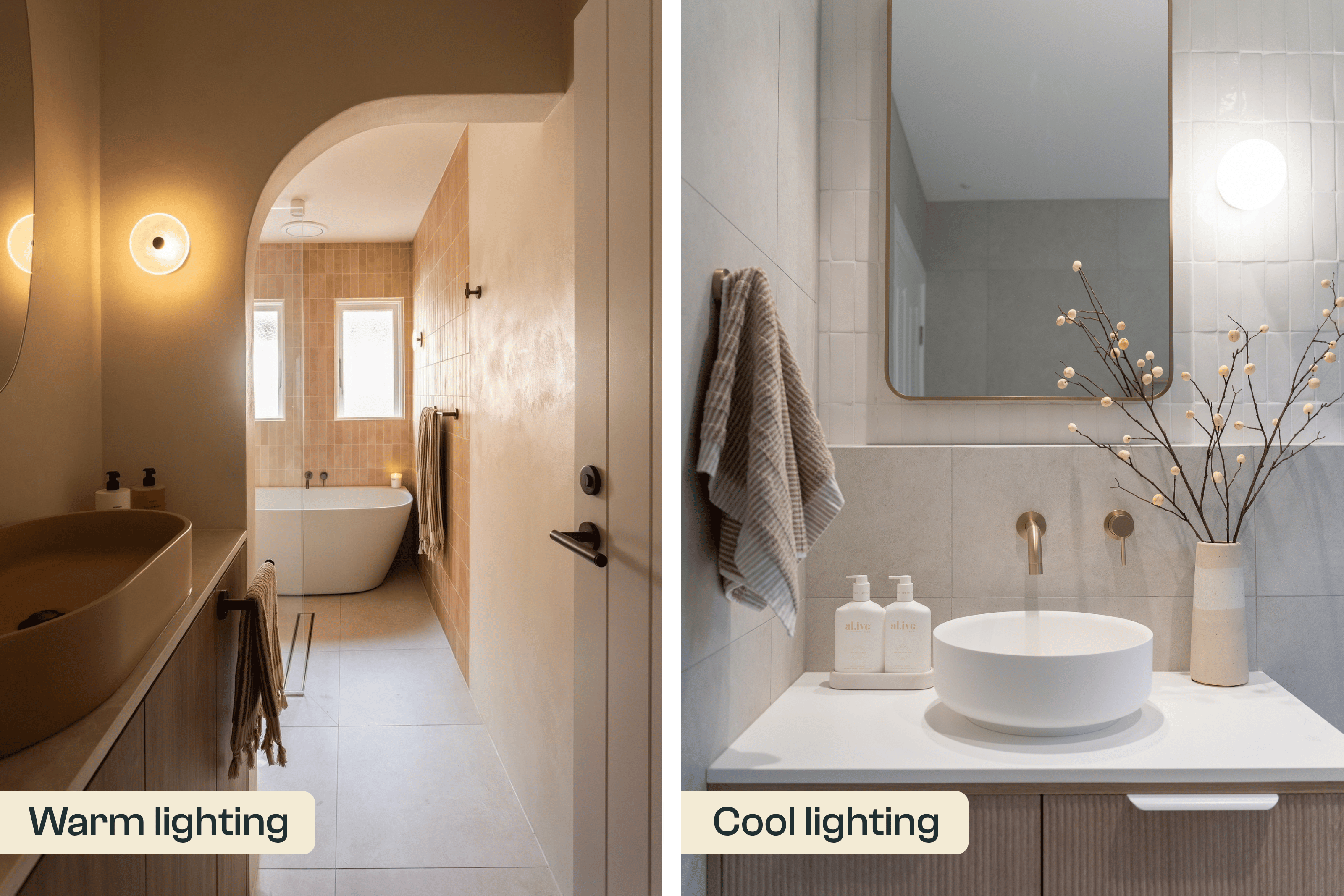
What Does Kelvin Actually Mean?
If you've been shopping for lighting or comparing LED globes, you've probably come across numbers like 2700K, 3000K or 4000K. These numbers refer to Kelvin (K), the scale used to measure a light's colour temperature.
Unlike brightness, Kelvin measures a light's colour temperature, which determines whether the light appears warm, neutral or cool. The lower the Kelvin number, the warmer the light will appear, while higher Kelvin ratings create a cooler, crisper light.
As a general guide:
2700K to 3000K: Warm white with a soft, welcoming tone.
4000K: Neutral white with a clean, natural appearance.
5000K and above: Cool white with a bright, crisp appearance.
Rather than worrying about technical specifications, think of Kelvin as a simple guide that helps you choose the right lighting colour for your home.
Warm White vs Cool White Lighting: What's the Difference?
Now that you know what Kelvin means, the next question is how those different lighting colours actually affect your home.
While the change in colour might seem subtle, it has a noticeable impact on how your home looks and feels. Lighting influences everything from the way paint colours, timber, stone and finishes appear to whether a room feels warm and welcoming or bright and energising.
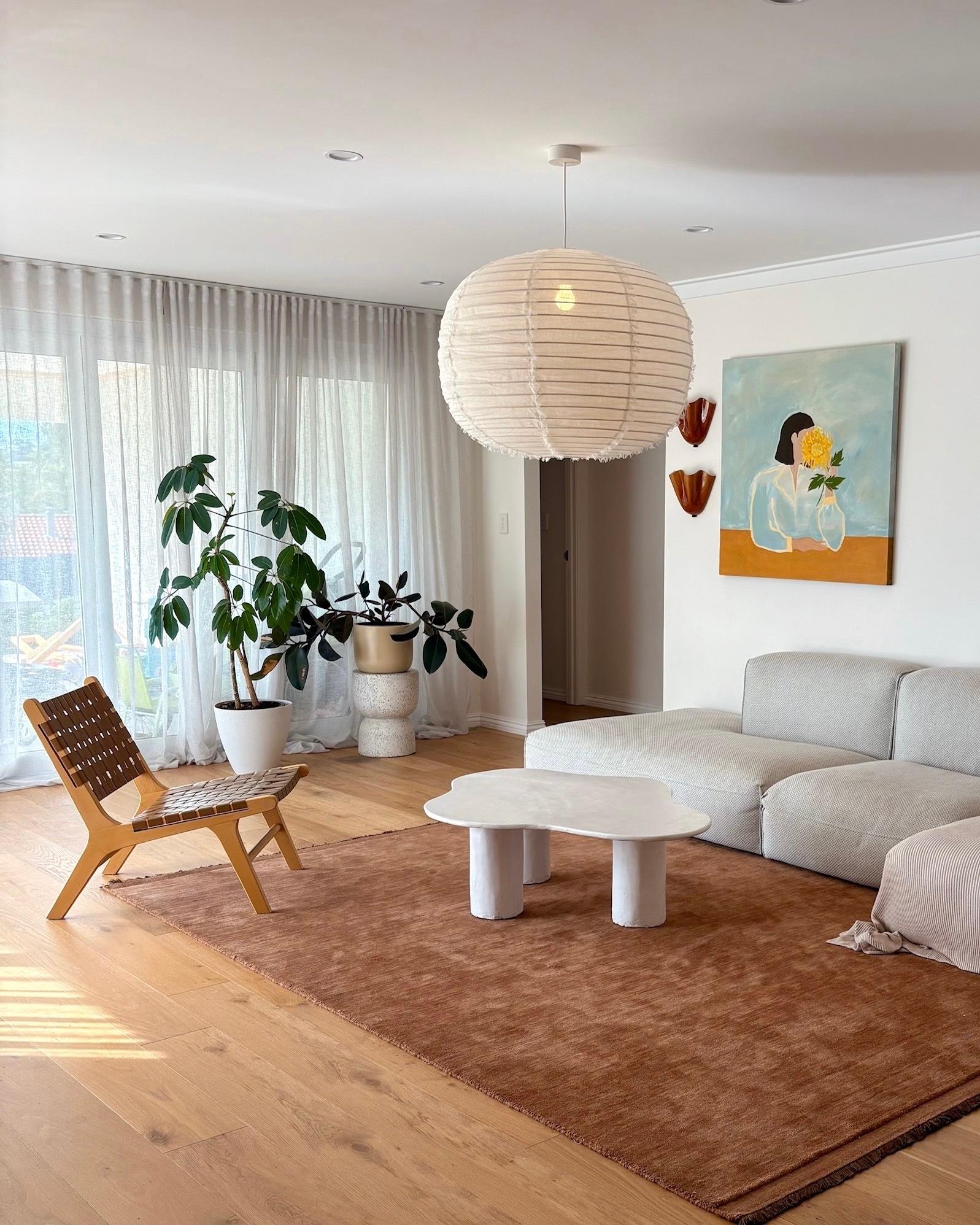
Warm white lighting
Warm white lighting has a soft, golden glow that instantly makes a room feel more inviting. It brings out the warmth in natural materials like timber and stone, softens paint colours and creates a home that feels comfortable, welcoming and easy to relax in.
It's an ideal choice for:
- Bedrooms
- Living rooms
- Dining rooms
- Reading nooks
If you're creating a home that's designed for relaxing, entertaining and spending time with family, warm white lighting is usually the best choice.
Neutral white lighting
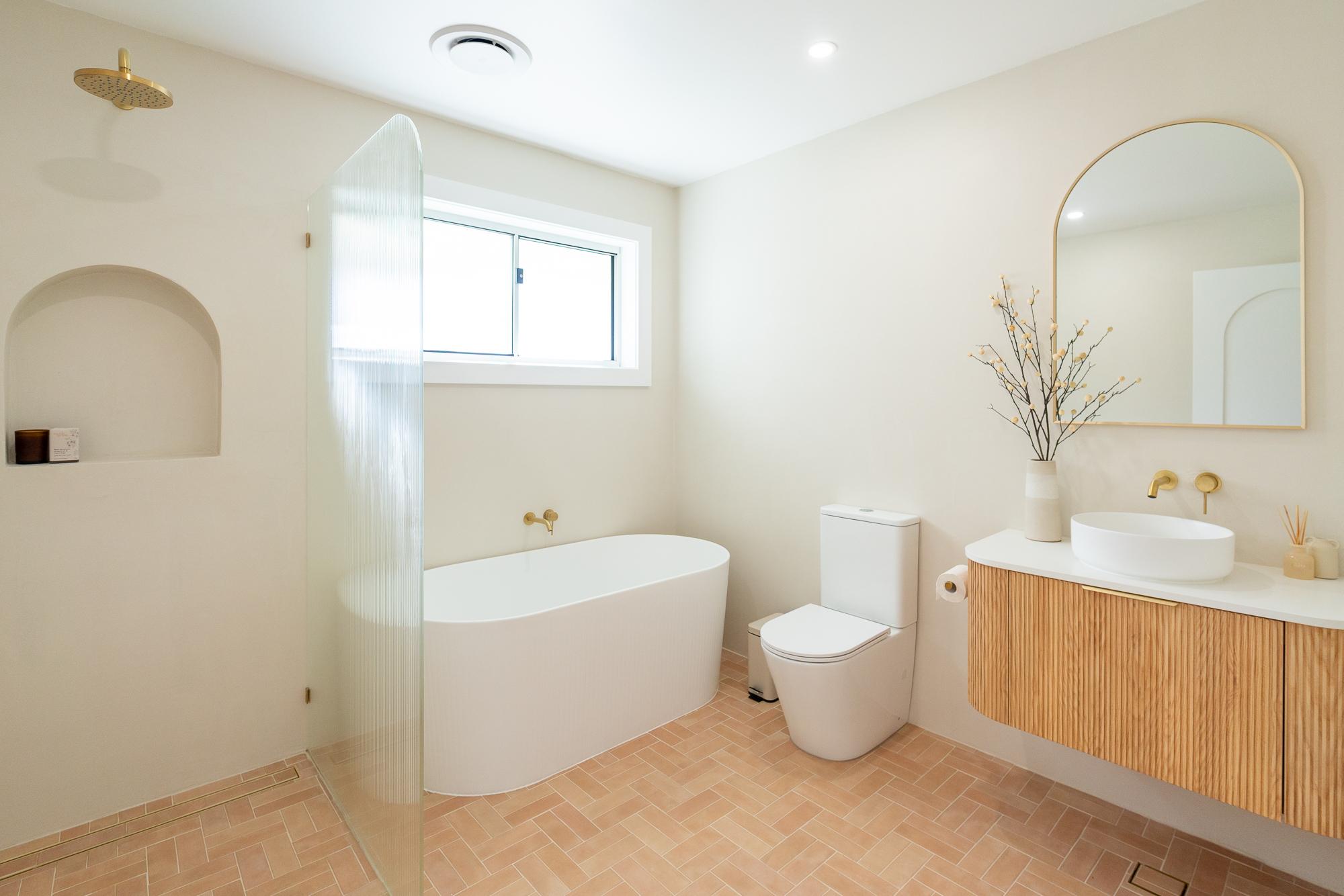
Neutral white lighting sits comfortably between warm and cool, creating a clean, natural light that's easy to live with throughout the day.
It works particularly well in rooms where you need a balance of comfort and practicality, helping colours appear true to life while supporting everything from preparing meals to getting ready for the day.
You'll commonly see neutral white lighting used in:
- Kitchens
- Bathrooms
- Laundries
- Home offices
For many homeowners, 4000K strikes the perfect balance between functionality and comfort.
Cool white lighting
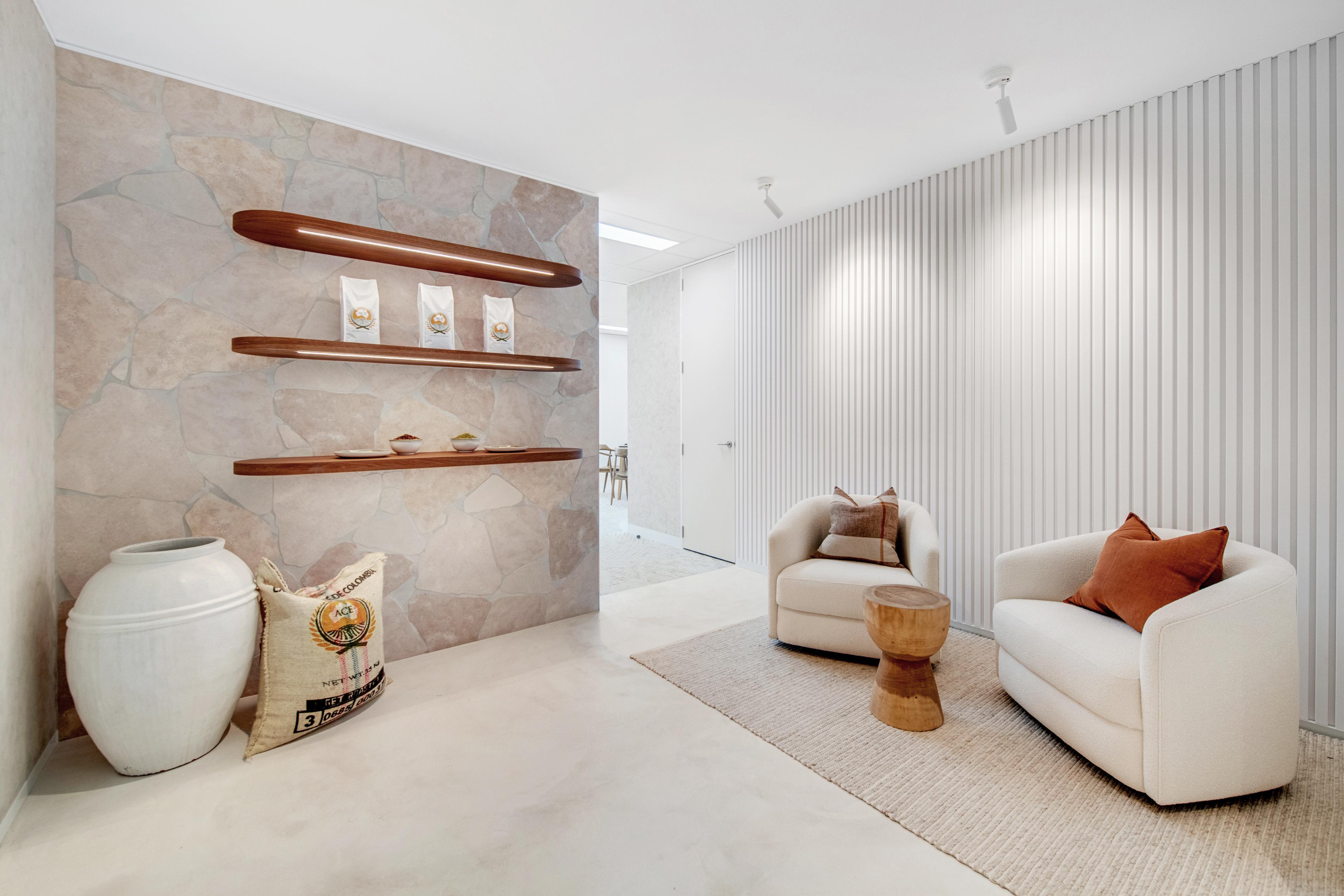
Cool white lighting produces a bright, crisp light with a subtle blue tone, making it best suited to areas where clear, practical lighting matters most.
You'll often find cool white lighting in:
- Garages
- Workshops
- Utility rooms
- Commercial spaces
While cool white lighting certainly has its place, using it throughout an entire home can leave living areas feeling colder and less inviting than intended.
Choosing the Right Lighting Colour for Every Room
Understanding the difference between warm and cool lighting is one thing, but knowing where to use each colour temperature is what really makes the decision easier.
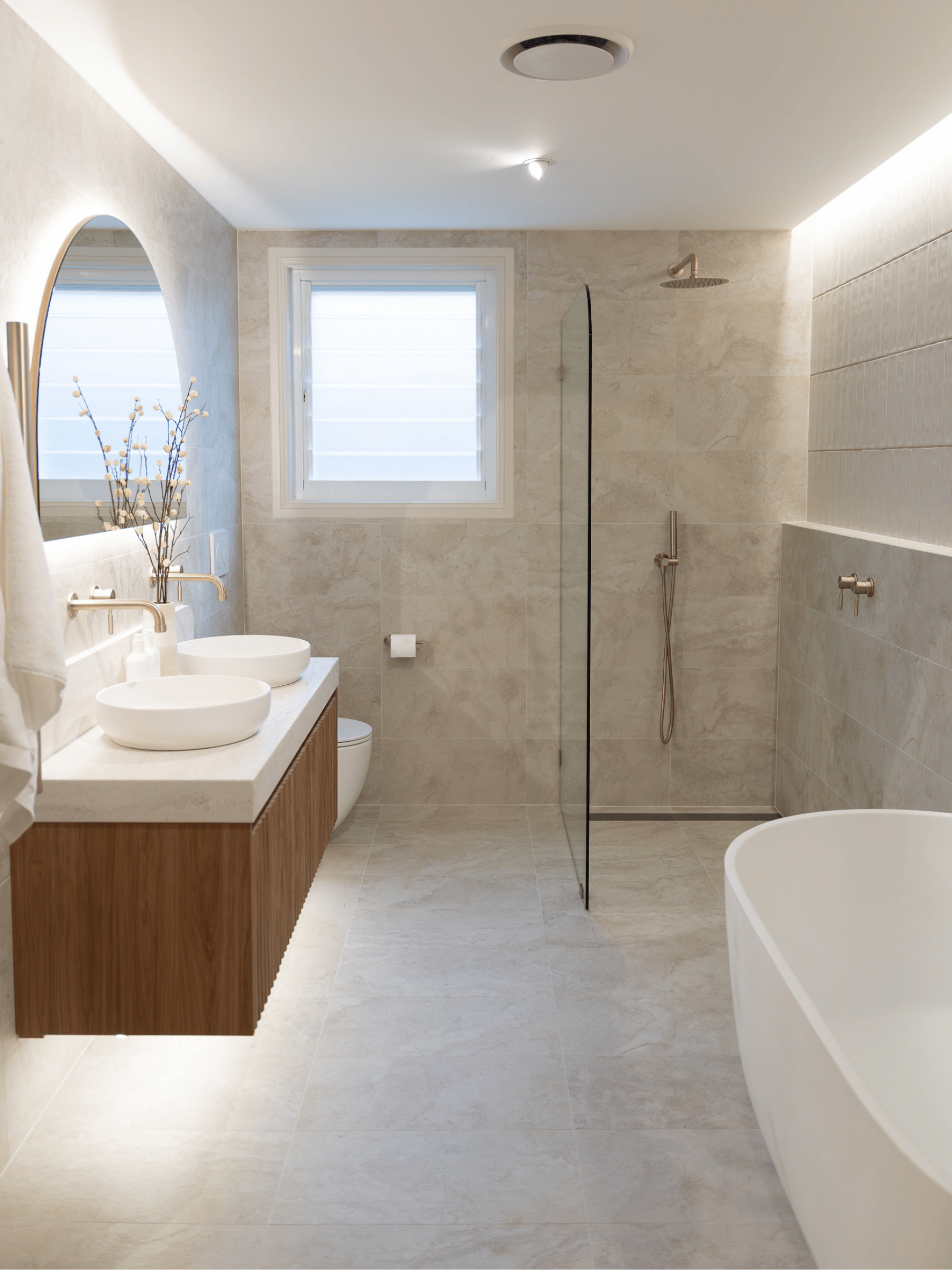
Bathroom
Recommended: 3000K to 4000K
Bathrooms need to feel bright enough for your morning routine while still creating a welcoming atmosphere at the beginning and end of the day.
A colour temperature between 3000K and 4000K provides the clarity you need for daily routines like shaving, applying makeup and getting ready, without making the room feel cold or clinical.
If you're planning a renovation, browse our Bathroom Lighting collection or explore our Bathroom Lighting Guide for more inspiration.
Kitchen
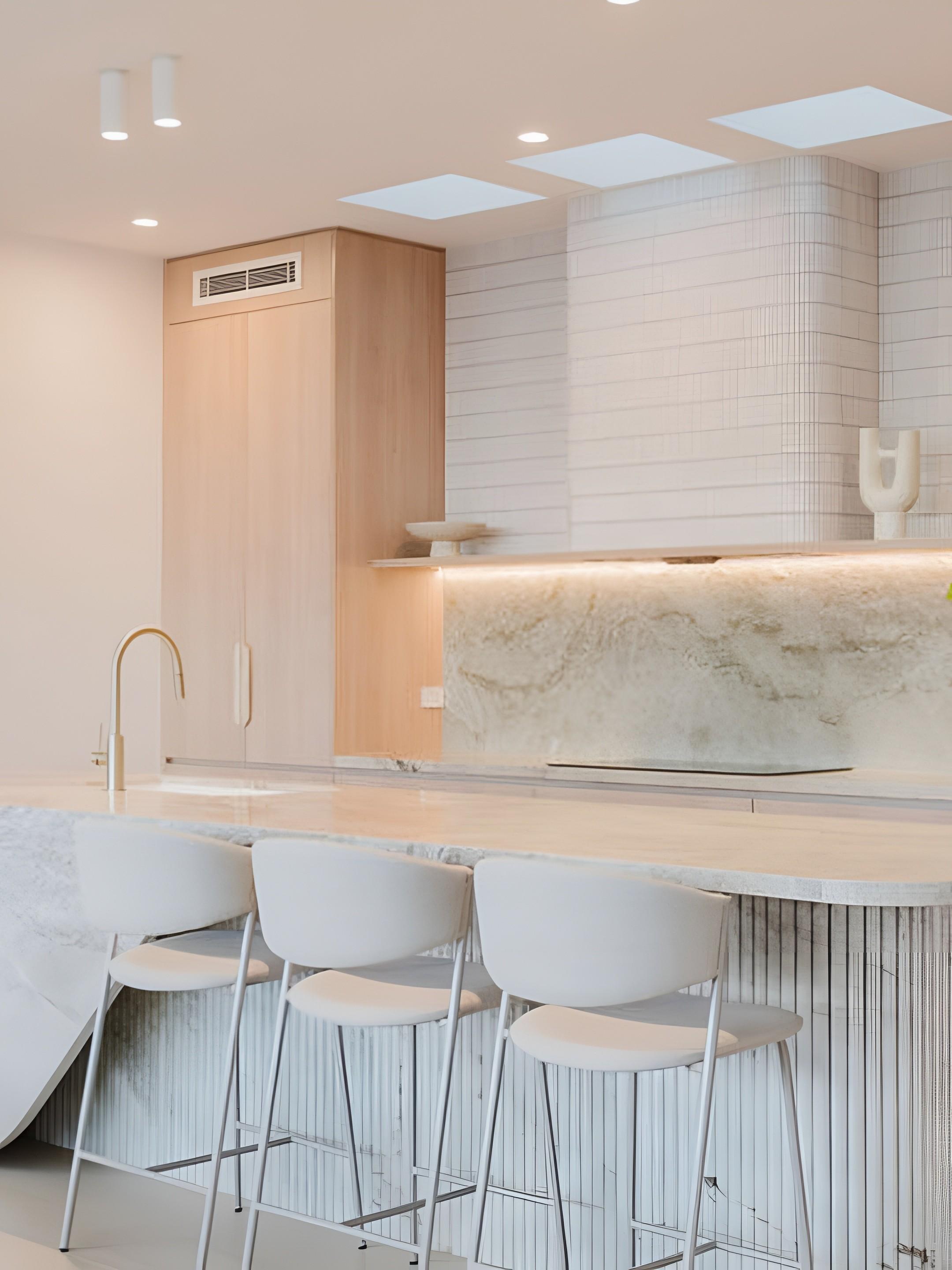
Recommended: Around 4000K
The kitchen is one of the hardest working rooms in the home, so your lighting should make everyday tasks easier while creating a kitchen that's just as enjoyable for everyday living as it is for cooking.
Neutral white lighting creates a clean, natural light that makes everyday tasks like preparing meals, cooking and cleaning easier, while still feeling comfortable enough for family dinners and entertaining. Pairing Hanging Lights over an island with well positioned Downlights also creates layered lighting that's both practical and visually appealing.
Bedroom
Recommended: 2700K to 3000K
Your bedroom should be one of the most relaxing rooms in your home, and lighting plays a big part in creating that feeling.
Warm white lighting creates a softer, more calming environment that's perfect for reading, winding down and signalling it's time to slow down at the end of the day. Pairing ceiling lighting with bedside lamps or Wall Lights creates layered lighting that's practical for everyday use while adding warmth and ambience to the room.
Living Room
Recommended: 2700K to 3000K
Whether you're relaxing with family, entertaining friends or watching a movie, the living room should feel welcoming from the moment you switch the lights on.
Warm white lighting creates a comfortable setting that naturally draws people in, while combining ceiling lights, wall lights and lamps allows you to adjust the mood throughout the day and into the evening.
Can You Mix Warm and Cool White Lighting?
Absolutely. In fact, using different colour temperatures throughout your home often makes sense, provided there's some consistency between neighbouring rooms.
A kitchen, for example, generally suits neutral white lighting, while bedrooms and living rooms usually feel better with warm white lighting.
Where possible, try to keep adjoining rooms reasonably consistent. Walking from a warm, cosy living room into a bright, cool toned hallway can feel surprisingly jarring, even if you can't immediately put your finger on why. Keeping neighbouring rooms similar in colour temperature creates a more cohesive flow throughout your home.
Common Colour Temperature Mistakes to Avoid
Once you understand how colour temperature works, avoiding the most common lighting mistakes becomes much easier.
Choosing brightness instead of colour temperature
Brightness and colour temperature are two different things. Choose the lighting colour first, then select the brightness that best suits the room and how you'll use it.
Mixing warm and cool white lighting within the same room
Using different colour temperatures together can create an inconsistent look that feels accidental rather than intentional.
Using cool white lighting throughout the whole home
While cool white lighting works well in practical areas, using it everywhere can make your home feel colder than expected.
Forgetting that lighting changes how colours appear
Lighting has a huge influence on how paint, timber, stone and finishes look. A finish you loved in the showroom can appear completely different once it's installed under a different lighting colour.
The Right Lighting Can Transform Your Home
Choosing between warm white and cool white lighting doesn't have to be complicated. A simple understanding of Kelvin is often all it takes to make more confident lighting decisions and create a home that looks and feels exactly the way you imagined.
Great lighting isn't just about seeing more clearly. It's about creating a home that feels warm, welcoming and enjoyable to live in every day, while supporting the way you use each room.
If you're still unsure where to start, browse the Dawn Lighting range or book a Free Online Design Appointment. Our team can help you choose lighting that complements your home and brings your renovation vision to life.

Layla is a creative at heart, with an Advanced Diploma in Interior Design and being the Senior Marketing and Ecommerce Coordinator here at Yabby she has a passion for staying up to date with the latest trends within the industry. Known for going down a rabbit hole on Pinterest and being a sucker for a good mood board to kick off any project.